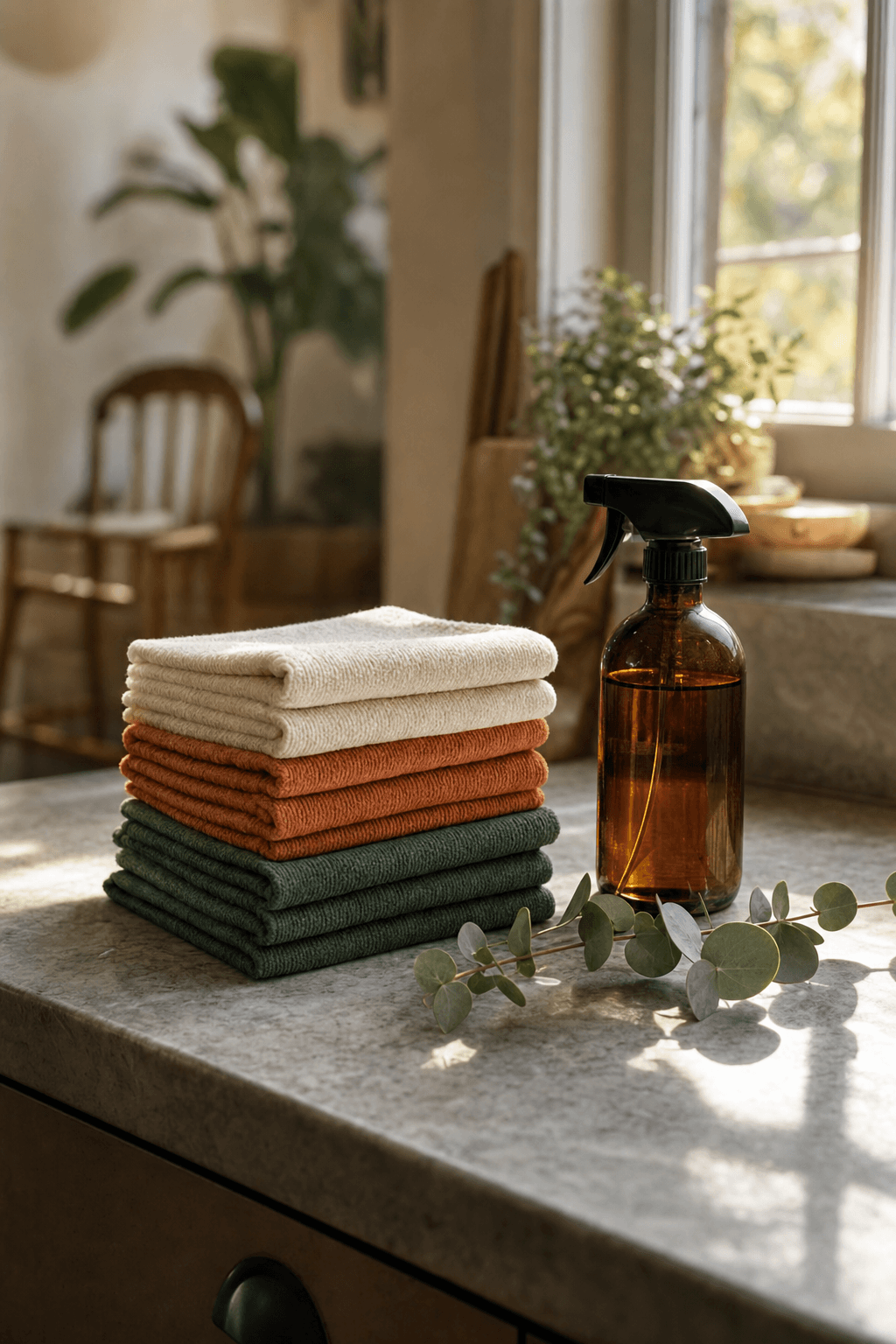
The best eco friendly cleaning products can be identified by looking for verified third-party certifications, transparent ingredient lists, and plastic-free packaging. Consumers can avoid greenwashing by ignoring vague claims like natural or non-toxic; instead, they should focus on brands that provide specific environmental data and hold reputable credentials.
Navigating the supermarket aisles for cleaning supplies has become a psychological minefield of leafy logos and vague buzzwords. You want to protect your home and the environment, but you are often left wondering if that "natural" spray is actually just conventional chemicals in a clever disguise. At Spritzin Cleaning Co., we know that true sustainability requires looking past the polished marketing to the chemistry and ethics behind the brand. Understanding the difference between a genuinely biodegradable formula and a clever branding exercise is essential for maintaining a healthy living space. In this guide, we will teach you how to spot greenwashing red flags, which UK certifications actually hold weight, and which specific ingredients you must avoid. We will also reveal our top picks for eco-friendly products that deliver professional results without compromising your values or your home's air quality.
The Rise of Greenwashing in the UK Cleaning Market
As London residents increasingly move toward sustainable lifestyles, the UK cleaning aisle has become a minefield of misleading claims. This phenomenon, known as greenwashing, occurs when brands use tactical marketing to appear environmentally responsible without making meaningful changes to their chemical formulations. You will often see bottles adorned with leaves, flowers, or earthy colour palettes designed to suggest a product is one of the best eco-friendly cleaning products, even when the contents remain largely synthetic and harmful to aquatic life.
Navigating this requires a sharp eye for terminology. The word natural is particularly deceptive because it is entirely unregulated in the context of household detergents. A manufacturer can market a spray as natural even if it contains only a tiny fraction of plant-derived ingredients alongside harsh synthetic surfactants. In contrast, terms like certified organic or eco-certified indicate that the product has undergone rigorous, third-party testing. These certifications ensure the formula meets strict standards for biodegradability and low aquatic toxicity.
At Spritzin Cleaning Co, we believe transparency is non-negotiable. Our personalised residential and commercial cleaning focuses on genuine eco-credentials to ensure the safety of our West London clients. If you want to ensure your home is maintained with integrity, you can book a professional clean with our expert team.
Red Flags: How to Tell if a Product is Genuinely Eco-Friendly

Identifying the best eco-friendly cleaning products requires looking past the aesthetic of the bottle and scrutinising the specific claims made on the label. One of the most common red flags is the term chemical-free. Scientifically, every substance on Earth, including pure water and oxygen, is a chemical. When a brand uses this phrase, it suggests a lack of technical expertise or a deliberate attempt to mislead consumers who are understandably wary of harsh synthetics.
Another warning sign is the absence of a comprehensive ingredient list. While UK law allows manufacturers to be somewhat vague about household detergents, truly sustainable brands choose transparency. If a bottle lists only plant-based surfactants without specifying which ones, or if it claims to be non-toxic without data to back it up, you should be sceptical. You should also watch out for self-made eco-logos. These are graphics designed by the brand’s own marketing department to look like official certifications. Unlike accredited seals, these have no third-party oversight or rigorous testing requirements.
In contrast, professional-grade eco cleaners provide granular detail. They explain the environmental impact of their surfactants and the biodegradability of the formula. A neutral pH is often essential for protecting delicate London interiors, such as natural stone or bespoke woodwork, while specific pH-adjusted eco formulas can effectively tackle grease or limescale without resorting to caustic ingredients. This technical precision is what separates high-performance sustainable products from those that simply look the part on a supermarket shelf. By choosing products with full ingredient transparency, you ensure your home environment remains safe for children and pets.
Cleaning Product Certifications That Actually Matter in the UK
Moving beyond marketing aesthetics requires understanding the verified badges that represent technical excellence and environmental safety. To identify the best eco-friendly cleaning products, you must look for certifications that require third-party laboratory testing rather than internal brand promises. In the UK, three specific logos carry the most weight due to their rigorous auditing processes.
Certification | Primary Focus | Key Standards |
|---|---|---|
EU Ecolabel | Lifecycle Impact | High biodegradability, restricted hazardous substances, and low aquatic toxicity. |
Ecocert | Natural Origin | Minimum 95% natural ingredients and mandatory on-site manufacturing audits. |
Soil Association | Organic Integrity | Sustainable sourcing, no GM ingredients, and strict palm oil regulations. |
The EU Ecolabel remains a gold standard for London homeowners post-Brexit. Because many premium cleaning brands operate across Europe, this certification ensures that surfactants are readily biodegradable under both aerobic and anaerobic conditions. It strictly limits the use of substances that accumulate in the food chain, protecting the delicate ecosystems of our waterways.
Ecocert provides a global benchmark through its Ecodetergent standard. This certification goes further than simple ingredient lists, inspecting the entire production chain to ensure environmental impact is minimised from factory to bottle. Meanwhile, the Soil Association logo signifies a commitment to sustainable sourcing. It prohibits harsh synthetic dyes and ensures that any plant-derived ingredients are harvested without destroying vital habitats.
At Spritzin Cleaning Co, these benchmarks inform the selection of products used in our eco-friendly cleaning services. By relying on these verified standards, we ensure our personalised residential and commercial cleaning meets a professional grade of safety and efficacy that uncertified products simply cannot guarantee.
Essential Ingredients to Avoid in Your Household Cleaners
While certifications offer a macro view of safety, identifying the best eco-friendly cleaning products requires a granular understanding of the chemicals frequently hidden in conventional formulas. Many standard household cleaners rely on cheap, aggressive synthetics that achieve immediate results at a long term cost to health and the environment.
London residents should be particularly wary of the following ingredients commonly found in high street brands:
Ingredient | Role in Standard Products | Primary Concern |
|---|---|---|
Phthalates | Synthetic fragrance carriers | Endocrine disruption and hormonal interference. |
SLS/SLES | Foaming and lathering agents | Significant skin, eye, and lung irritation. |
Parabens | Chemical preservatives | Potential for bioaccumulation and hormonal disruption. |
Chlorine Bleach | Whitening and disinfecting | Respiratory distress and high aquatic toxicity. |
The health implications of these substances are intensified in modern London living spaces. Many contemporary apartments in West London are designed for maximum energy efficiency, featuring tight seals and high-performance insulation. While excellent for thermal retention, these airtight environments can trap Volatile Organic Compounds (VOCs) emitted by synthetic fragrances and chlorine-based cleaners. Without frequent air exchange, these chemicals linger; this contributes to poor indoor air quality that can exacerbate asthma or cause chronic headaches.
Our personalised residential and commercial cleaning protocols strictly prohibit these irritants. By selecting formulas that replace SLS with plant derived surfactants and synthetic scents with natural alternatives, we maintain a clinical standard of hygiene while protecting your family's respiratory health.
The Best Eco Friendly Cleaning Products for Specific Home Tasks

Moving from what to avoid toward what to actively seek out, the effectiveness of the best eco friendly cleaning products relies on clever chemistry rather than caustic strength. High performance formulas use plant derived surfactants, often sourced from coconut oil or sugar, to lower the surface tension of water. This allows the solution to penetrate and lift grime. Unlike petroleum based surfactants, which can persist in the environment and cause foaming in waterways, these plant based alternatives break down rapidly and safely.
Efficacy by Category
To achieve professional results, it is essential to match the ingredient profile to the specific task.
Task | Key Functional Ingredients | Performance Mechanism |
|---|---|---|
Dishwashing | Vegetable glycerine, citric acid | Effectively cuts through grease while remaining pH-balanced for skin safety. |
Laundry | Plant-based enzymes, sodium carbonate | Specifically targeted to break down protein and fat stains at lower temperatures. |
Surface Cleaning | Sodium bicarbonate, citrus oils | Provides mild abrasion for lifting debris and natural degreasing for high-touch areas. |
Limescale Removal | Citric acid, lactic acid | Dissolves mineral deposits through a gentle chemical reaction without toxic fumes. |
For residents in West London and North West London, the primary challenge is the region's notoriously hard water. High concentrations of calcium and magnesium lead to stubborn limescale on bathroom tiles, shower screens, and chrome fixtures. In our eco-friendly cleaning services, we rely on the natural descaling power of citric acid. It reacts with mineral buildup to dissolve the chalky residue that standard supermarket cleaners often struggle to move without aggressive scrubbing.
Similarly, sodium bicarbonate acts as a versatile alkali, neutralising acidic odours and providing a safe, non-scratch scouring agent for kitchen surfaces. These professional-grade ingredients are staples of our personalised residential and commercial cleaning because they provide consistent, high-standard results across diverse surface types. If your home has significant mineral buildup or you want to transition to a more sustainable maintenance routine, you can book a professional clean to experience the efficacy of these targeted formulas first-hand. The results demonstrate that plant-derived solutions are more than capable of handling the unique environmental challenges of London homes.
A Shortlist of UK Eco Brands We Trust
You do not need ten different products to clean your home properly. A few well-chosen brands cover most jobs, and these are the ones we reach for in the trade:
Method offers affordable refill pouches and plant-based formulas, with a strong track record for all-purpose and anti-bac sprays.
Ecover is a long-standing leader in plant and mineral-based detergents, particularly for washing-up liquid and laundry.
Bio-D is a British brand that is fully transparent about every ingredient, with fragrance-free options for sensitive homes.
Smol focuses on refillable, plastic-free packaging and concentrated tablets for laundry and dishwashing.
Seep produces plastic-free, plant-based cleaning tools alongside its eco sponge cloths and scourers.
Always check that your chosen product carries a recognised certification, such as the EU Ecolabel or Ecocert, and that the full ingredient list is clearly stated on the packaging. A brand that hides its formula is never worth your money, no matter how leafy the logo looks.
Packaging Matters: Beyond the Liquid Inside the Bottle

Evaluating the best eco friendly cleaning products requires looking past the liquid to the container itself. A biodegradable formula loses its environmental appeal if it is delivered in a single-use virgin plastic bottle destined for a landfill. Modern sustainable brands are increasingly turning to Post-Consumer Recycled (PCR) plastics, which repurpose existing waste and significantly reduce the energy required for manufacturing. Furthermore, the rise of concentrated "add water at home" refills marks a major shift in reducing shipping weight; this effectively lowers the carbon emissions associated with transporting heavy, water-based solutions across London.
For professional eco-friendly cleaning services, packaging efficiency is built into the operational model. Spritzin Cleaning Co prioritises concentrated professional-grade solutions that are diluted on-site. This approach eliminates the need for dozens of small, disposable bottles, reducing our plastic footprint significantly. We utilise high-quality, durable spray containers that are designed for years of use rather than weeks, ensuring that our equipment matches the sustainability of our chemicals.
Packaging Strategy | Environmental Advantage | Practical Impact |
|---|---|---|
Concentrated Solutions | Reduced transport emissions | Less bulk and packaging waste |
PCR Plastics | Supports the circular economy | Decreased demand for virgin oil-based plastic |
Refillable Systems | Zero-waste potential | Significant reduction in single-use plastic |
Our personalised residential and commercial cleaning protocols also integrate durable, colour-coded equipment. This system prevents cross-contamination between bathrooms and kitchens, yet it also serves a vital ecological purpose. By investing in professional-grade tools rather than flimsy, disposable alternatives, we drastically reduce the volume of equipment sent to waste streams. If you are ready to transition to a maintenance routine that values both chemical integrity and waste reduction, you can book a professional clean to see our sustainable methodology in action.
Navigating the world of sustainable supplies takes a bit of practice, but prioritising authentic certifications will keep your home safe and truly green. Choosing the right products is a vital step toward a healthier lifestyle. If you want expert help maintaining a pristine home using these eco-friendly methods, you can learn more about our team and our values. We believe that professional cleaning should always be safe for both your family and the planet.